
How to Refresh a Kitchen or Bath Without a Full Tear-Out
The Short Answer
A refresh changes what you see and touch without moving what is inside the walls. Cabinet fronts, paint, counters, backsplash, lighting, hardware and fixtures all come into scope. Plumbing locations, electrical layout, walls and windows do not. That boundary is what keeps a refresh fast and predictable. Cross it and you are in a remodel, with permits, longer timelines and a different budget. The decision is not about taste. It is about whether the layout is the problem.
Want a sense of the numbers before you decide? Here is how to plan your project cost.
What a Refresh Can Fix, and What It Cannot
The simplest test is to ask whether your complaint is about how the room looks or about where things are.
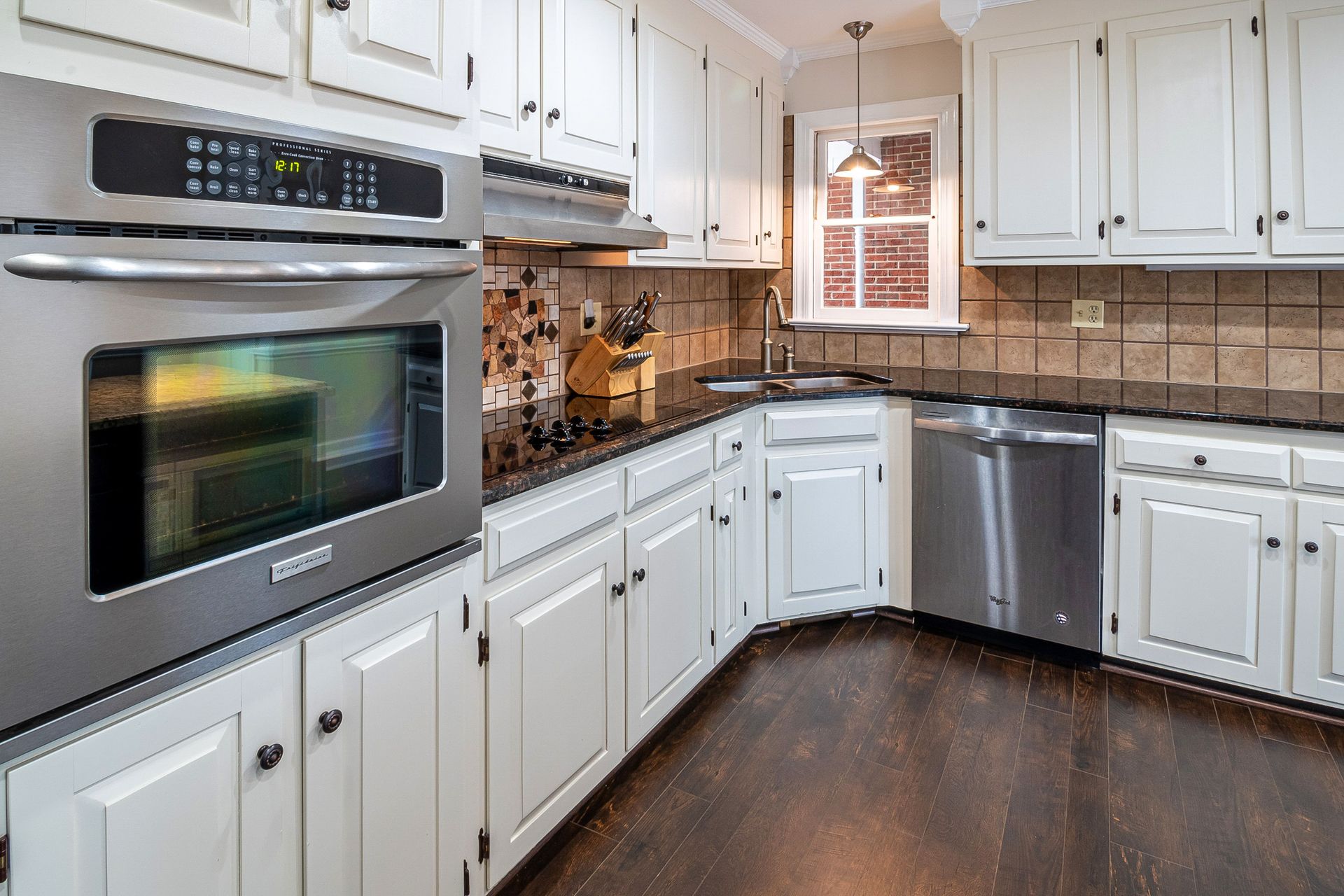
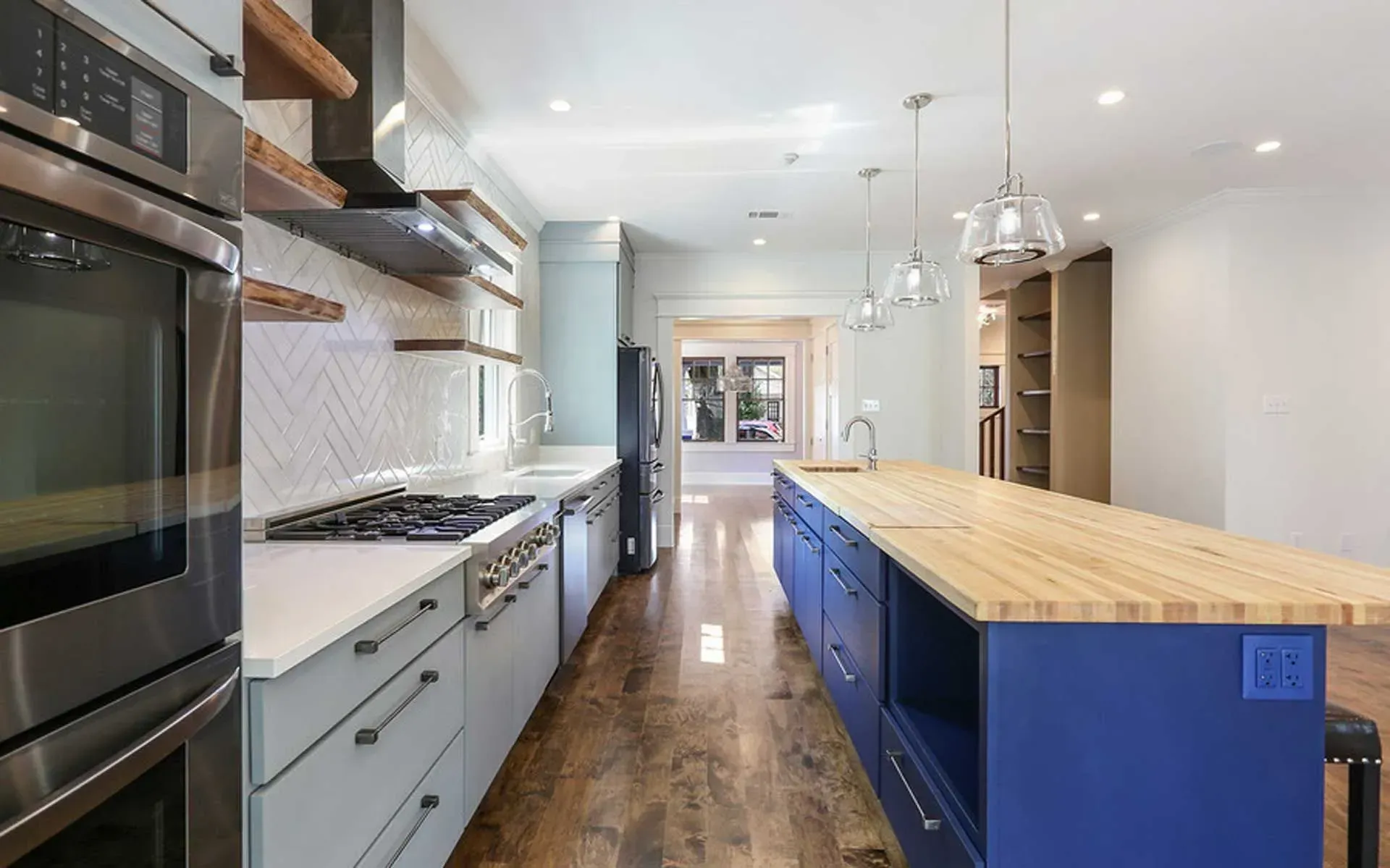
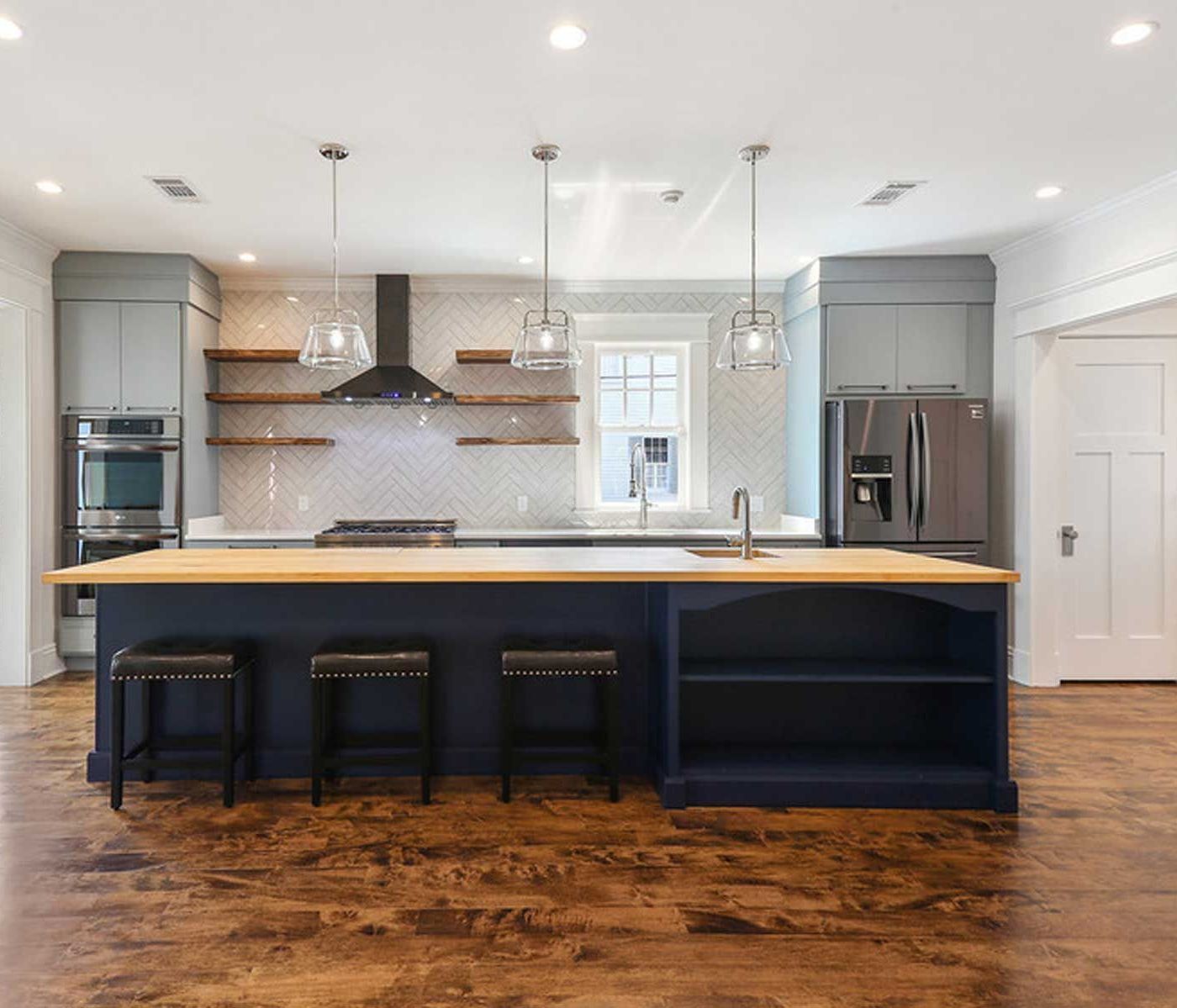
If the kitchen is dated, dark, worn or simply tired, but you can cook in it without fighting the layout, a refresh will very likely solve it. If two people cannot pass each other, the fridge blocks a drawer, or there is nowhere to set down a hot pan, the layout is the problem and new doors will not touch it. That is a kitchen remodeling project, not a refresh.
| A Refresh Handles | A Refresh Cannot Handle |
|---|---|
| Cabinet doors, drawer fronts and hardware | Moving the sink, range or fridge |
| Paint, backsplash and countertops | Removing or moving a wall |
| Light fixtures and under-cabinet lighting | Adding circuits or relocating a panel |
| Faucets, sinks and visible plumbing fixtures | Rerouting supply or waste lines |
| Flooring within the existing footprint | Changing a window or door opening |
| Vanity, mirror, tile and shower fittings | Rot, failed subfloor or structural repair |
There is one more thing a refresh cannot handle, and it is the one that catches people out. If there is water damage behind what you are covering up, a refresh buries it. That is not a cosmetic decision, it is a deferred repair that gets more expensive with time.
Not Sure If Your Room Needs a Refresh or a Remodel?
Sweeney Build can look at your kitchen or bathroom and tell you whether a refresh will solve the problem or just cover it.
Cabinet Refacing, Repainting and New Fronts Explained
Cabinetry is usually the largest single line item in a kitchen, frequently approaching half the budget. It is also where the biggest refresh savings sit, because the boxes are often perfectly sound while the fronts look dated.
Three options, in ascending order of cost and impact:
- Repainting. The existing doors and frames are prepared, primed and sprayed. Cheapest of the three. Works when the doors are structurally sound and you like their profile, and it fails when the doors are the problem. If you are changing the sheen as well as the color, our guide to matte kitchen cabinets covers how each finish holds up.
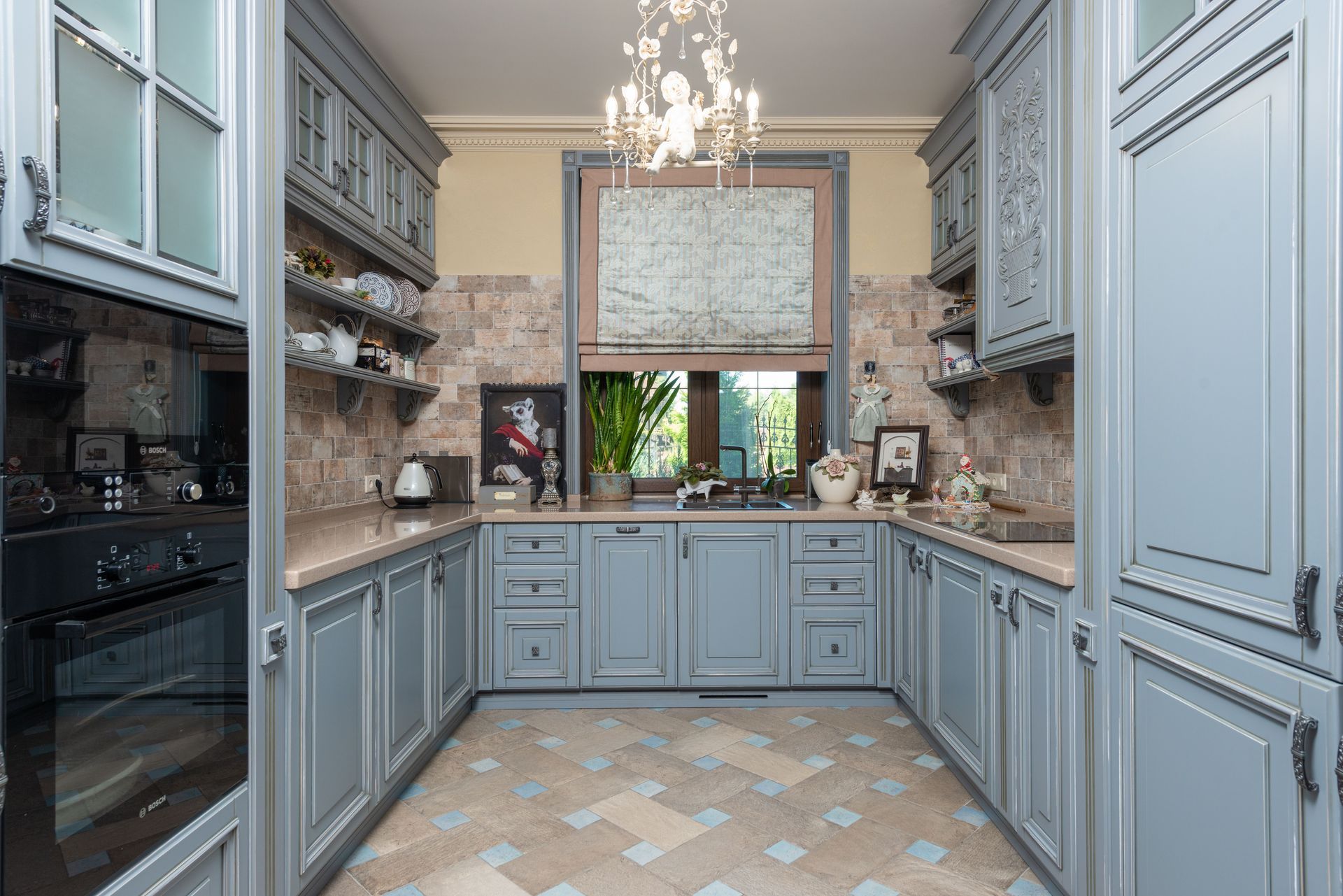
- Refacing. New doors and drawer fronts, plus a veneer over the visible frame. The boxes stay. Changes the look completely while keeping the layout and the carcasses.
- New fronts on new boxes. A full cabinetry replacement within the same footprint. Not a refresh in the strict sense, but still far short of a layout change.
The decision that matters is whether the boxes are worth keeping. In a Gulf Coast climate that is a real question rather than a formality. Particleboard boxes that have taken moisture will have swelling at the toe kick and around the sink base, and refinishing a swollen box is money spent on a base that is already failing. Plywood carcasses in good condition are worth keeping and worth refacing. Where they are not, new boxes built as custom cabinets and storage can go back into the same footprint.
One caution on matching. Where you are adding to an existing run rather than replacing it, matching a factory finish that has aged for a decade is difficult, and a near miss looks worse than a deliberate contrast. It is often better to refinish the whole run than to chase a match on new work alone.

Countertops and Backsplash Without Touching the Layout
Counters and backsplash are the highest impact refresh items after cabinet fronts, and they stay entirely within refresh scope as long as the sink and range stay where they are.
In this climate the material choice matters. Quartz is non-porous and needs no sealing. Granite performs well if it is sealed and resealed. Unsealed marble stains, and in a working kitchen here it will. Those are the same considerations that apply to a full remodel, so a refresh is not a reason to choose a lesser material.
The sequencing catch is templating. Counters are templated after the cabinets are set, not before, and a stone fabricator needs the actual installed base to work from. If you are refacing, that means the counter order follows the cabinetry work rather than running alongside it.
Backsplash is where a refresh can go wrong aesthetically. A high gloss backsplash against a matte door reads as two different kitchens. Choose the two together rather than sequentially, which is how our design and selection process handles it.
Bathroom Refresh: Vanity, Tile and Fixtures Only
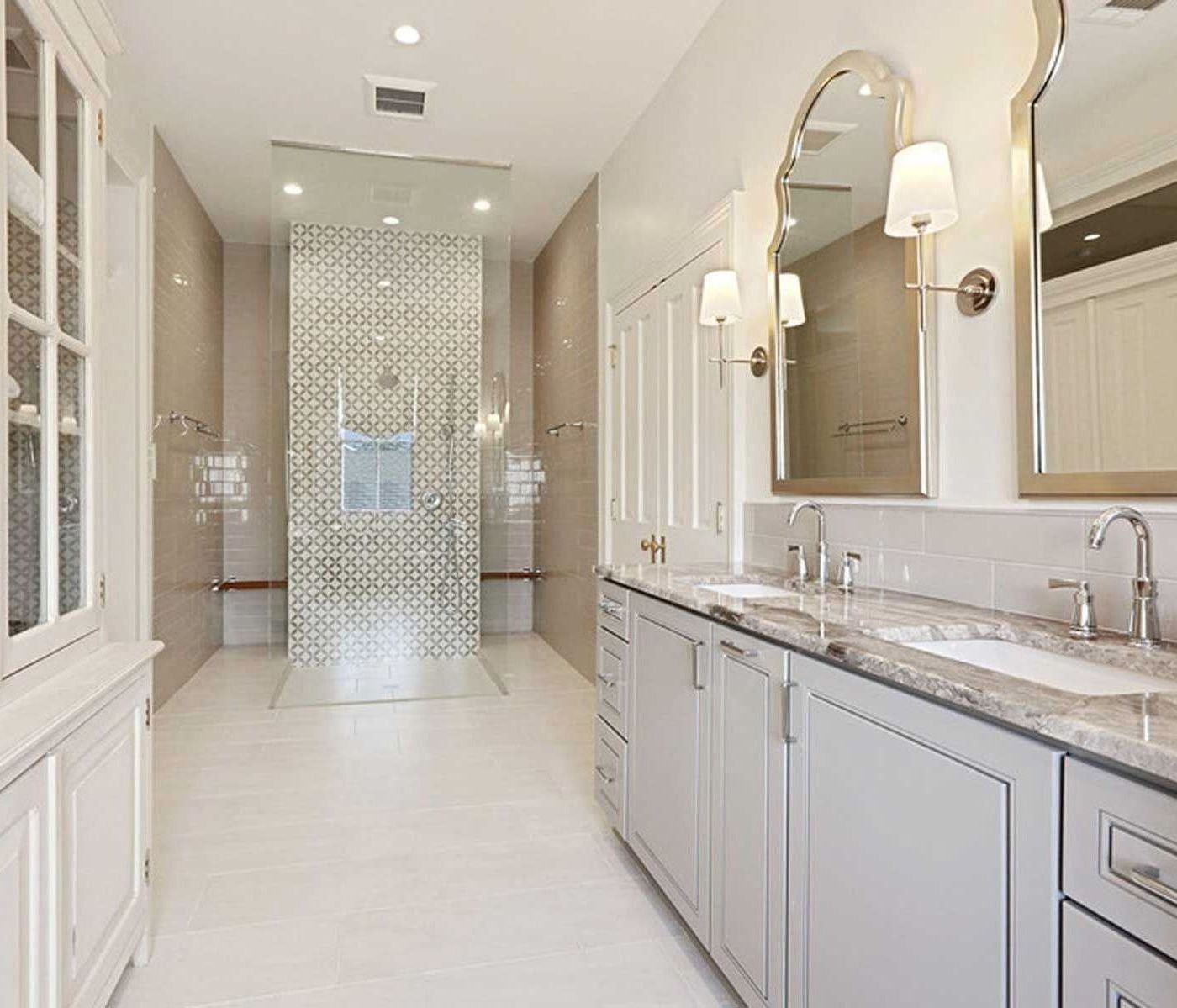
Bathrooms follow the same rule with a lower tolerance for error, because everything is closer together and everything is near water.
In scope: vanity and top, mirror, lighting, faucet and shower fittings, toilet, towel and paper fittings, paint, and tile where it is a surface rather than a substrate. Out of scope: moving the toilet flange, relocating the shower drain, changing the door swing, and anything that means opening a wall. Those belong to a full bathroom remodeling project.
The vanity is the piece worth spending on. A bathroom vanity sits in a small, humid room that often shares a wall with unconditioned space, and it takes the worst of the moisture in the house. Moisture-rated builds with plywood carcasses and catalyzed finishes are specified for exactly that reason, the same standard we use across our custom cabinets and storage work.
The item most often skipped in a bathroom refresh is extraction. If the room does not clear steam within a few minutes, the new finishes will age the way the old ones did. Fixing ventilation is usually simple, it is usually cheap, and it is what makes the rest of the work last.
When a Refresh Is the Wrong Call
There are four situations where a refresh is the more expensive option, because it delays a job you will end up doing anyway.
- The layout is the complaint. New surfaces on a bad plan produce an attractive kitchen you still do not enjoy cooking in. Changing the plan is general remodeling work.
- There is active or historic water damage. A soft floor, a stained ceiling below a bathroom or a spongy area near a toilet is a structural question, not a finish question.
- The boxes or substrate have failed. Swollen particleboard, delaminated edges and rotted vanity bases are not improved by new fronts.
- You are about to do the bigger job anyway. If a full remodel is planned within a couple of years, a refresh now is money that gets demolished later.
There is also an honest resale angle worth knowing, and it points the other way from what most people assume. National Cost vs Value data puts a minor midrange kitchen remodel at roughly 113 percent recouped at resale, a major midrange kitchen at roughly 50 percent, and a major upscale kitchen at roughly 36 percent. The smaller the project, the better the percentage. If you are remodeling to sell soon, a targeted refresh is usually the better financial decision. If you are staying a decade, resale percentage is the wrong measure to optimize for.
What Homeowners Can Do Themselves, and Where to Stop
A refresh has more genuine do-it-yourself scope than a remodel does, which is part of the appeal. The line is worth drawing clearly.
- Reasonable to do yourself. Painting walls, swapping cabinet hardware, changing out a faucet with existing shut-offs, fitting towel bars and mirrors, replacing light fixtures on an existing circuit if you are competent and the power is off at the breaker.
- Possible but harder than it looks. Painting cabinet doors. The preparation is most of the job, and a poor prep shows within a year. Tiling a backsplash, where the cutting around outlets is what separates a good result from an obvious one.
- Leave to a licensed professional. Anything touching supply or waste plumbing beyond a fixture swap, any new electrical circuit or outlet, anything involving a permit, and anything where opening a surface might reveal rot or a structural issue.
Code compliance in Orleans Parish is strict on electrical and plumbing, and this is not a place to improvise. The practical rule is that if the work would be inspected, it should be done by someone who expects to be inspected.
The other stopping point is discovery. If you open a surface and find something you did not expect, stop rather than cover it. That is the single most expensive habit in home improvement, and it is entirely avoidable. For other avoidable errors, see our guide to the most common remodeling mistakes homeowners make.
Rough Budget Ranges: Refresh Against Full Remodel
For kitchens in New Orleans, published figures put the bands roughly as follows.
| Scope | Typical Range | What Is Included |
|---|---|---|
| Cosmetic refresh | Roughly $10,000 to $25,000 | Paint, hardware, lighting, fixture swaps, new countertops, refinished or refaced cabinets. Layout untouched. |
| Mid-range remodel | Roughly $25,000 to $60,000 | New cabinetry, countertops, appliances, flooring and lighting, still within the existing footprint. |
| Full renovation | Roughly $60,000 upward | Layout changes, relocated plumbing or electrical, structural work, custom cabinetry. |
For a local reference point rather than a national average, permit data for New Orleans puts the median kitchen project in the region of $47,000, with most projects landing somewhere between roughly $19,000 and $84,000. The spread is wide because the houses are so different from one another.
Whichever band you are in, carry a contingency of 10 to 20 percent, and treat 20 percent as the floor if the house was built before 1960. In an older New Orleans home the contingency is not padding. It is the line item that covers what is found once a surface comes off.
Bathroom refresh figures are not included above because they vary too much with the size of the room and the fittings chosen. Ask for a written range on your actual bathroom rather than working from a national average. When you are ready to put numbers to your own room, you can plan your project cost with us before committing to a scope.
How to Decide in One Sitting
Walk the room with a notebook and answer three questions. Is my complaint about appearance or about position? Is anything soft, stained or smelling of damp? Am I likely to do the bigger job within two years?
If the answers are appearance, no, and no, a refresh is the right project and it will feel like a bigger change than it costs. If any answer goes the other way, get the room looked at before you buy a single finish.
Want a Written Range for Your Room?
Tell us about your kitchen or bathroom and get a range based on your actual space, not a national average.
FAQ
How long does a kitchen refresh take?
Far less than a full remodel, because there is no permitting cycle and no structural work. The variable is cabinetry. If doors and fronts are being made, fabrication drives the schedule the same way it does on a larger project. Ask for the fabrication lead time separately from the on-site time, because they are two different numbers.
Is refacing cabinets worth it or better to replace?
It depends entirely on the boxes. Sound plywood carcasses are worth refacing and the saving is significant. Particleboard boxes that have taken moisture, with swelling at the toe kick or sink base, are not worth refinishing, because you would be spending money on a base that is already failing.
Can you refresh a bathroom without moving plumbing?
Yes, and that is exactly what defines a bathroom refresh. Vanity, top, mirror, lighting, faucet, shower fittings, toilet, paint and surface tile all stay in scope as long as the flange and drain positions do not change. Moving any of those turns the project into a remodel.
What is the difference between a refresh and a remodel?
A refresh changes surfaces and fittings within the existing layout. A remodel changes the layout, which means plumbing, electrical, walls or openings move. The practical marker is permitting: refresh work usually does not require it, and remodel work usually does.
Will a refresh hide water damage?
It will conceal it, not fix it. Covering a soft floor, a stained ceiling or a damp vanity base defers a repair that gets more expensive with time. If anything in the room is soft, stained or smells of damp, get it investigated before you spend money on finishes.
Does a kitchen refresh pay for itself at resale?
The smaller the project, the better the percentage returned. National Cost vs Value data puts a minor midrange kitchen remodel at roughly 113 percent recouped, against roughly 50 percent for a major midrange kitchen and roughly 36 percent for a major upscale kitchen. If you are selling soon, a targeted refresh is usually the better financial decision.
Do I need a permit for a kitchen or bathroom refresh in New Orleans?
Usually not, if every appliance and fixture stays where it is. Moving plumbing or electrical, removing a wall, changing a window opening, or altering anything visible from the street in a historic district all do require one. Confirm before you start rather than after.
Start Your Kitchen or Bath Refresh
Sweeney Build refreshes and remodels kitchens and bathrooms across Greater New Orleans. Tell us what is bothering you about the room, and we will help you decide which one it needs.