
The 7 Most Common Remodeling Mistakes Homeowners Make (and How to Avoid Them)
Remodeling your New Orleans home is one of the few investments you live inside while you are making it. It is also one of the easiest to get wrong.
At Sweeney Build we have spent nearly two decades remodeling homes across Greater New Orleans, and we have watched the same problems repeat. The most common remodeling mistakes are almost never about taste. They are about sequence. Work starts before the scope, the budget or the approvals are settled, and everything after that is damage control. A kitchen that finally works, an attic converted into real living space, a rear addition, a garage turned into a guest suite: they all go wrong in the same few ways.
Below are the seven that cost homeowners the most time and money, what each one looks like in a New Orleans house specifically, and how to avoid it.
Quick answer: The most common remodeling mistakes are skipping the planning phase, underestimating the budget, hiring the cheapest contractor, prioritizing looks over function, ignoring resale value, underestimating life in a construction zone, and skipping permits. Nearly all of them trace back to one root cause: starting work before the scope, the budget and the approvals are settled. Setting aside a 10 to 20 percent contingency and finalizing your plan before demolition prevents most of them.

Why Remodeling Mistakes Cost More in New Orleans Homes
The same mistake costs more here than it does almost anywhere else, for four reasons that have nothing to do with the homeowner.
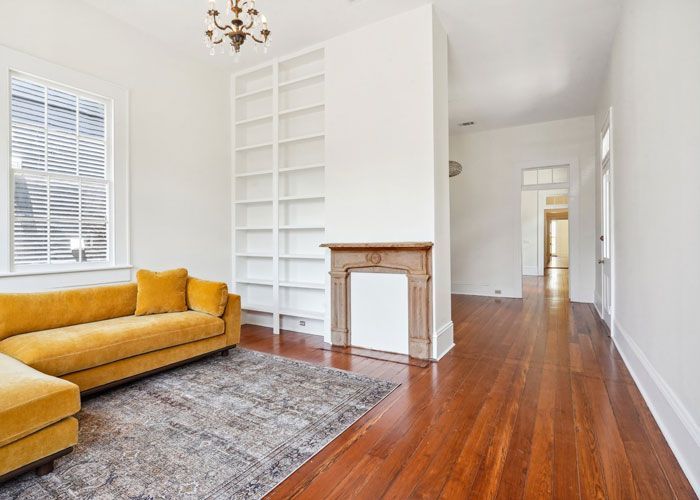
The housing stock is old. Large parts of the city are 50, 75 or well over 100 years old. Opening a wall in a Mid-City shotgun or an Uptown double is not a routine step, it is a discovery process. Cloth-insulated wiring, galvanized supply lines, termite damage in sills and framing that was never square to begin with are normal findings, not bad luck. Any budget that assumes nothing is found behind the plaster is a budget that will be wrong.
Humidity rules out materials that work fine elsewhere. Unsealed solid wood cabinetry warps. Cheap laminate flooring swells at the seams. Unsealed marble stains. Materials that are perfectly reasonable in a dry climate fail here, and replacing them two years later costs more than specifying correctly the first time.
There is no basement to hide things in. Mechanical runs, ductwork and plumbing rerouting all have to be solved within the existing structure or under a raised floor. That constrains layout changes in ways homeowners who have lived elsewhere do not expect.
Permitting has a real calendar. Orleans Parish permits go through the city's One Stop App, which routes one submission to every department that needs to see it. Straightforward remodel permits can be issued the same day. Anything that needs full plan review runs roughly 30 days before corrections. If the property sits in a local historic district or the Vieux Carre, add a Certificate of Appropriateness review, a monthly meeting calendar to work around, and a 50 percent surcharge on building, plan review and demolition permit fees.
Mistake 1: Skipping the Planning Phase
Too many homeowners make the mistake of diving straight into demolition without a clear plan in place. It is easy to see why. When you are inspired by shows, Pinterest boards, or Instagram feeds, you want to see results quickly. But without detailed drawings, a realistic schedule, and a line-by-line budget, you are almost guaranteed to run into trouble. What happens when you skip the planning stage? You may order materials that do not fit, discover that the layout you had in mind will not work with your home's structure, or blow through your budget before the project is even halfway done. Delays pile up, costs balloon, and frustration sets in.
The solution is simple: plan before you swing a hammer. At Sweeney Build, every project begins with a detailed consultation and design process. We take time to understand your goals, walk through your home, and identify potential challenges before work begins. With a clear plan, you are far more likely to finish your remodel on time and within budget.
Mistake 2: Underestimating the Remodeling Budget
If there is one remodeling mistake that almost every homeowner makes, it is underestimating the true cost of the project. Remodeling is more than just materials and labor. There are permits, inspections, design fees, and the inevitable surprises that pop up once walls and floors are opened.
For example, it is not uncommon to discover outdated wiring, rotted subfloors, or plumbing that does not meet current code. These issues need to be fixed before the remodel can continue, and that means added costs. If you have not built a buffer into your budget, those surprises can completely derail your project.
A contingency is not padding and it is not pessimism. It is the line item that decides whether a surprise is an inconvenience or a stopped job. Set aside 10 to 20 percent of your total budget before work starts, and treat 20 percent as the floor on any home built before 1960. If it goes unspent, it goes back in your pocket. If it is not there and the demolition crew finds rot behind the kitchen wall, the project stops while you find the money.
Asked what single hidden cost catches homeowners off guard most often during demolition, the answer was immediate.
"Hidden damage behind the walls, usually caused by termites. Termites or water intrusion causing rot. It should be anticipated that it is there, but a lot of times the extent of it catches a homeowner off guard."Devon Sweeney, Sweeney Build
Read that carefully, because it contains the whole argument for a contingency. The damage being there is not the surprise. In a New Orleans home of any age, termite damage and water rot should be assumed. The surprise is how far it goes once the wall is open, and that is not something anyone can quote accurately before demolition starts. At Sweeney Build our proposals are transparent and detailed, outlining not only the expected costs but also where potential surprises may occur.
Mistake 3: Choosing the Cheapest Contractor
Everyone loves a good deal, but in home remodeling the lowest bid often comes with the highest risk. Contractors who underbid projects usually cut corners, use substandard materials, or lack proper licensing and insurance. In the worst cases they walk off the job before it is complete, leaving homeowners to pick up the pieces. Hiring the cheapest option can end up costing far more in the long run if the work has to be redone or if your home fails inspection.
There is also a specific trick worth knowing about, because it is the most common way a bid gets made to look cheaper than it is.
"Typically they are leaving out all of the finished materials that are needed for the project, and they will put in that the client needs to provide them. Owner provided, contractor installed is a trick they use to lower their number. We have those allowances built into the budget."Devon Sweeney, Sweeney Build
So when you compare two bids, find the finished materials first. Tile, cabinetry, countertops, plumbing fixtures, lighting, flooring, hardware. If one bid carries allowances for those and the other lists them as owner provided, you are not comparing two prices for the same job. You are comparing a complete number against an incomplete one, and the difference will land on your credit card later.
There is also a five-minute check that filters out most unlicensed bidders. In Louisiana, any contractor working on an existing home is required to hold a Home Improvement registration once the project value reaches $7,500, and new residential construction above the state threshold requires a full residential contractor license. Both are issued by the Louisiana State Licensing Board for Contractors, and both are publicly searchable. Ask any bidder for their license number, then look it up yourself. A contractor who hesitates at that question has answered it.
Then ask for proof of general liability insurance and workers' compensation, three references from projects finished in the last two years, and a written warranty. Sweeney Build is fully licensed and insured, and we stand behind our work with written warranties because we believe in doing the job right the first time.
Mistake 4: Prioritizing Looks Over Function
It is easy to fall in love with how a remodel looks on paper. Sleek cabinets, trendy tile, or a bold open layout can be very appealing. But if your remodel does not actually function for your family, the excitement will wear off quickly. We have seen kitchens that look amazing but lack storage, bathrooms that are beautiful but poorly ventilated, and living rooms where traffic flow feels awkward. A remodel should improve not only how your home looks but also how it works.
The key is balance. At Sweeney Build, we encourage homeowners to think about how they live day to day. Do you need more counter space for cooking? Do you want a bathroom that is easy to clean and maintain? Do you need storage solutions for kids' toys or seasonal decorations? By focusing on functionality first, we can ensure that the final result is both stunning and practical. That is what our design and selection process is built to work out before anything is ordered.
Mistake 5: Forgetting About Resale Value
Your home is your personal space, and your remodel should reflect your style. But it is also one of the biggest financial investments you will ever make, and resale value matters. Choosing designs that are too personalized, like neon-colored walls, unusual floor layouts, or ultra-niche materials, can make it harder to sell your home down the road.
The goal is not to design a bland, cookie-cutter space. It is to find the sweet spot between personal style and timeless appeal. Neutral finishes, durable materials, and modern layouts are all safe bets that buyers appreciate.
The resale data says something counterintuitive: the smaller the kitchen or bathroom project, the better the percentage return. National Cost vs Value figures put a minor midrange kitchen remodel at roughly 113 percent recouped, meaning it adds slightly more at resale than it costs. A major midrange kitchen recoups roughly half. A major upscale kitchen recoups closer to a third.
That does not mean big projects are a mistake. It means you should be clear which one you are doing. If you are remodeling to sell within two years, the targeted refresh is almost always the better financial decision. If you are remodeling because you are going to live there for fifteen years, resale percentage is the wrong measure and you should stop optimizing for it.
Mistake 6: Living in the Construction Zone
One of the least glamorous parts of remodeling is the reality of living in a construction zone. Dust, noise, and limited access to essential spaces like kitchens and bathrooms can wear down even the most patient families. Many homeowners underestimate how disruptive the process can be, and the stress can quickly build.
The best way to handle this is to prepare in advance. Create a temporary kitchen if your main one will be out of service. Set up dust barriers and designate safe areas for kids and pets. Remember, a remodel is temporary, but having strategies in place makes it much more bearable.
At Sweeney Build we make it a priority to minimize disruption. We communicate timelines clearly, keep job sites tidy, and respect your home as if it were our own. How we communicate on every project is set out before work starts, not improvised once the dust arrives.
Mistake 7: Ignoring Permits and Building Codes
This is the mistake that follows you. Unpermitted work does not usually cause a problem while you are living with it. It causes a problem when you sell, when you file an insurance claim, or when a neighbor makes a call.
In Orleans Parish, permits are pulled through the city's Department of Safety and Permits using the One Stop App. Most remodeling work needs one: structural changes, moving plumbing or electrical, additions, and anything altering the exterior of a property in a historic district. Building without one can mean fines, a stop-work order and, in the worst cases, an instruction to remove work that has already been paid for.
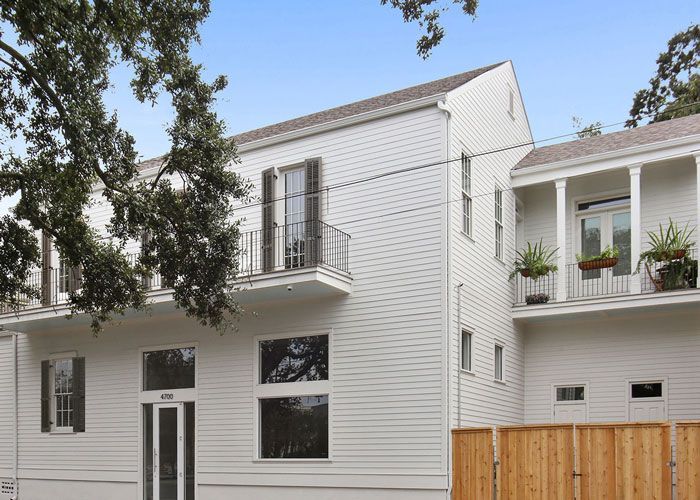
Historic districts raise the stakes further. Exterior work in an HDLC district requires a Certificate of Appropriateness before it starts. Applications made after the fact are treated as retention requests, and the Commission has the authority to require that non-compliant work be undone and to levy fines running into five figures. A roof, a set of windows or a fence installed without approval is not a paperwork problem, it is a rebuild.
One clarification that catches people out: this applies in New Orleans, not across the whole metro. Jefferson Parish does not have a historic district, so the same project can carry very different approval requirements depending on which side of the parish line it sits on.
Two versions of this mistake come up again and again.
"It would be demolishing a portion or all of the property beyond what is allowed. We have gone in behind a contractor on a project that demoed it well beyond what would have been approved. They got fined and we had to come in and fix everything. The other common one is changing historic windows to a modern replacement window that is not approved for use. There are modern windows you can swap in, but the standard vinyl replacement windows people usually go with to save money are not approved, and they will get fined pretty quickly."Devon Sweeney, Sweeney Build
The window one is worth sitting with, because the homeowner is usually trying to save money and ends up spending more. There are modern replacement windows that will pass HDLC review. The cheap off-the-shelf vinyl units sold as a budget upgrade are generally not among them, and swapping them into a historic facade is one of the fastest ways to attract a fine. If your home is in a protected corridor, our historic home renovations team handles that review as part of the job.
The practical version of this advice is short. Ask your contractor which permits your project needs and who is pulling them, get the answer in writing, and confirm the permit is issued and posted at the property before demolition starts. We handle permitting and historic district submissions in-house on every project we run.
Planning a Remodel in New Orleans?
Get a written proposal that names the likely surprises before they happen, not after. Nearly two decades remodeling homes across Greater New Orleans.
Remodeling Mistakes by Project Type
The seven above apply to every project. These are the ones specific to what you are actually building.
Kitchen remodels
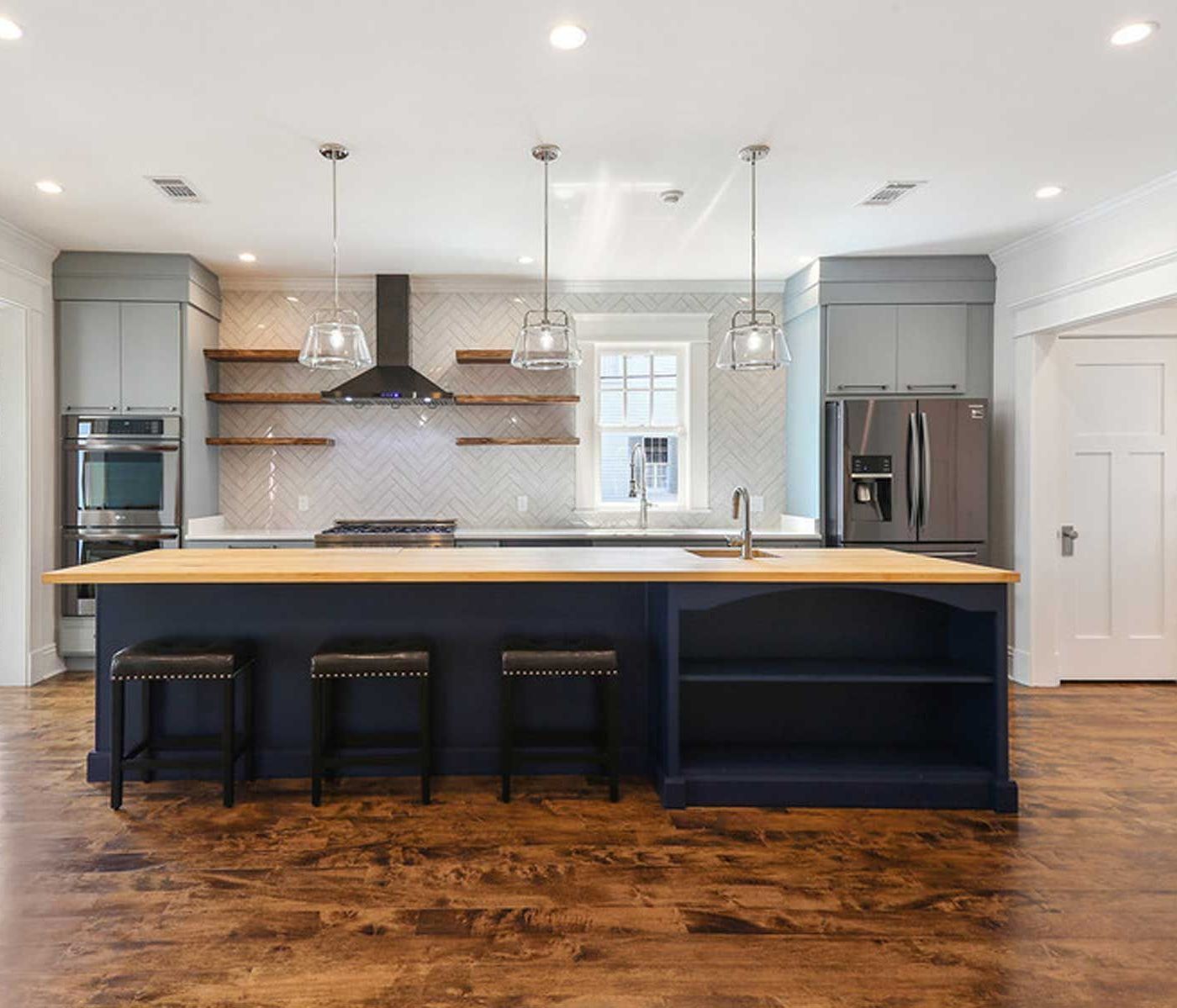
The two that cost the most: underestimating cabinetry lead times, and moving plumbing without first checking where the existing stack runs. Custom cabinetry can carry lead times measured in months, and in an older New Orleans home the drain stack is often in the one wall you wanted to remove. Both are cheap to check early and expensive to discover late. Our kitchen remodeling projects start with both questions answered.
Bathroom remodels
Ventilation and waterproofing. In this climate a bathroom without properly sized, properly ducted extraction will grow mold regardless of how good the tile is, and waterproofing shortcuts behind a shower do not show up for two years. Neither is visible in the finished room, which is exactly why they get value-engineered out of a cheap bathroom remodeling bid.
Additions and conversions
Setbacks and zoning, checked before the design rather than after. The Comprehensive Zoning Ordinance governs how close you can build to your lot lines and how much of the lot you can cover, and a design that ignores it has to be redrawn. Garage conversions and accessory dwelling units have their own rules again, which our home addition planning guide walks through.
Who This Guide Is For
This is written for homeowners in the planning stage, before a contract is signed. If you are collecting bids, deciding between a refresh and a full renovation, or trying to work out whether the budget you have in mind is realistic, this is the stage where avoiding these mistakes is still free.
It is most useful if you own an older home in Orleans, Jefferson or St. Tammany Parish, and particularly if your property sits in a historic district.
If a kitchen is the project, start with how to plan a kitchen remodel in New Orleans. If you are building new rather than remodeling, our custom home building timeline in New Orleans covers the same ground for ground-up construction.
Frequently Asked Questions
What is the most common remodeling mistake homeowners make?
Starting work before the plan is finished. Almost every other mistake on this list is downstream of that one. A complete set of drawings, a line-item budget with a contingency, and issued permits before demolition prevents the majority of remodeling problems.
How much should I budget for unexpected remodeling costs?
Set aside 10 to 20 percent of your total project budget as a contingency, and treat 20 percent as the minimum on any home built before 1960. Older New Orleans homes routinely reveal wiring, plumbing or structural work that has to be brought up to code once walls are open.
Do I need a permit to remodel my home in New Orleans?
Usually, yes. Structural changes, electrical and plumbing work, additions and any exterior alteration in a historic district all require permits, pulled through the city's One Stop App. Simple remodel permits can be issued the same day, while work requiring full plan review takes roughly 30 days. Historic district work needs a Certificate of Appropriateness as well, and carries a 50 percent permit fee surcharge.
How do I know if a contractor is properly licensed in Louisiana?
Ask for the license number and check it against the Louisiana State Licensing Board for Contractors register. Work on an existing home requires a Home Improvement registration from $7,500, and new residential construction above the state threshold requires a residential contractor license. Also ask for current proof of general liability and workers' compensation insurance.
What is usually missing from a low-ball remodeling estimate?
Finished materials, most of the time. A bid can be made to look significantly cheaper by leaving out tile, cabinetry, countertops, fixtures, lighting and flooring, and listing them instead as owner provided, contractor installed. The work is the same but the number is not comparable. When you compare bids, check that each one carries allowances for finished materials before you compare the totals.
Do Jefferson Parish homes need historic district approval?
No. Jefferson Parish does not have a historic district. Historic district review through the HDLC applies in New Orleans, so an identical project can face very different approval requirements depending on which side of the parish line the property sits on. Permits are still required for the work itself in both.
How long does a typical home remodel take?
A single-room remodel such as a bathroom typically runs 4 to 8 weeks of construction. A full kitchen runs 6 to 12 weeks of construction but 3 to 6 months end to end once design, selections, ordering and permitting are counted. Whole-home renovations and additions run longer again. The construction number and the project number are different, and confusing them is its own common mistake.
How to Avoid the Most Common Remodeling Mistakes on Your Next Project
Every mistake on this list is preventable at the planning stage and expensive after demolition. That is the whole pattern.
Remodeling should not be a gamble. Sweeney Build has spent nearly two decades helping New Orleans families plan projects that finish on schedule and on budget, with written proposals that name the likely surprises before they happen rather than after.